
Are Your Hormones Trying to Tell You Something?
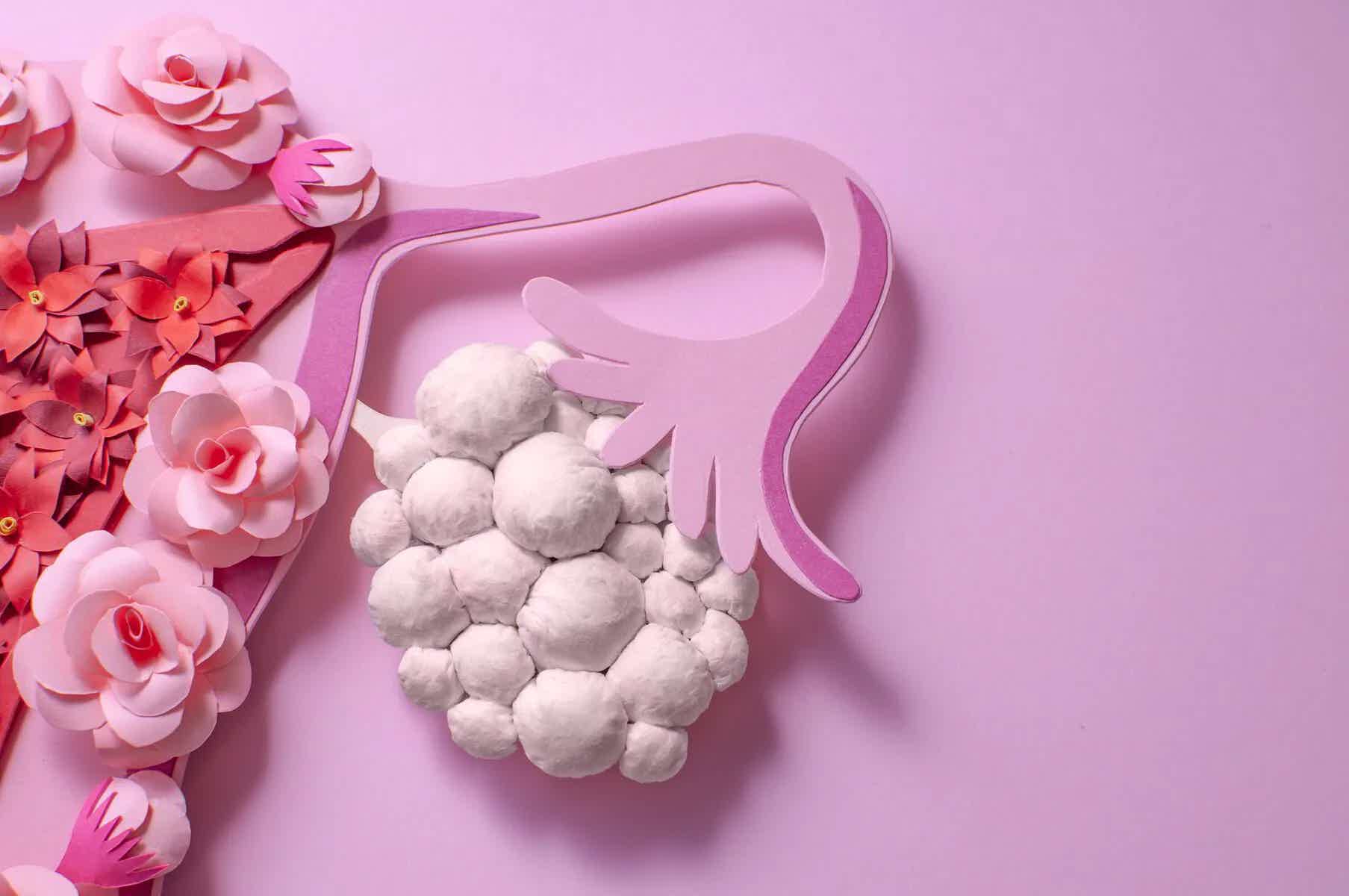
Primary Ovarian Insufficiency (POI)
What is Primary Ovarian Insufficiency? POI, which can also be referred to as premature ovarian insufficiency, is when the ovaries slow down or stop working properly before age 40. This doesn’t mean that they don’t produce hormones, this means that they are not producing hormones in typical amounts.
What does this mean? Well, it’s not quite menopause, but it can lead to hormone imbalances, irregular cycles, and ultimately, difficulty getting pregnant.
Symptoms
If you’re recognizing some of these symptoms, it may be time to explore further into your own health:
- Irregular or skipped periods
- Hot flashes, night sweats, or vaginal dryness
- Trouble conceiving
- Family history of early menopause
- Diagnosed autoimmune condition (or family history of one)
- Unexpected weight gain or trouble maintaining weight
- Feeling stressed or “burnt out”
Why is this happening?
While there is no single cause, here are some commonly known reasons:
- Genetics
- Autoimmune conditions
- History of infections (Pelvic and STIs)
- Past cancer treatments (chemo or radiation)
- Various metabolic disorders (i.e. polycystic ovarian syndrome)
While all of this is great, we know why hormones are slowing down, this doesn’t discuss the big elephant in the room, the idiopathic causes. Idiopathic? This simply means the underlaying cause is unclear. Research suggests that upwards to 65% of POI cases are idiopathic (1). These numbers are slowly lowering over time as we learn more.
Contributing factors to idiopathic causes:
- Chronic stress
- Poor nutrition - including alcohol intake
- High or low body weight
- Environmental toxins
- Inflammation
- Insulin resistance
These factors disrupt the brain-ovary connection or have various impacts on hormone production, even if on imaging, the ovaries appear normal. Did you know that cholesterol is essential for hormone health? Cholesterol is one of the starting points for making hormones like estrogen, progesterone, and more! We can nerd out on all these different pathways and their connections to hormones but ultimately at the end of the day, what matters is what and how they are affecting you.
How we can help
To start, there is the investigation. We need to figure out what you are experiencing and what are your goals. For some it’s fertility. For others, it’s feeling normal again. Either way, we need to figure out what are the underlying causes, what hormones are imbalanced, and what is the best course of action. Perhaps running blood work and imaging or a food log to assess where you are at. The treatments, though they can be similar, are slightly different for everyone. This means peeking at your stress factors or your day-to-day movement and nutrition. It is assessing whether inflammation or other factors are contributing. Knowing about your genetics and family history, any autoimmune disease, or metabolic disorders is important, but these other areas play just as pivotal of an impact on your overall hormone health. At the end of the day, what we want is for you to have the best quality of life with the best possible overall health.
Balanced hormones, balanced life—let's get you back to both.
Dr. Nicole Loran, ND
References:
1. A. M. Moreira and P. M. Spritzer, “Primary Ovarian Insufficiency: Different Approaches in Three Cases and a Review of Literature,” Endocrinology, Diabetes & Metabolism Case Reports, 2016, https://doi.org/10.1530/edm-16-0026.