
SUNSCREEN AND SAFE SUN GUIDELINES
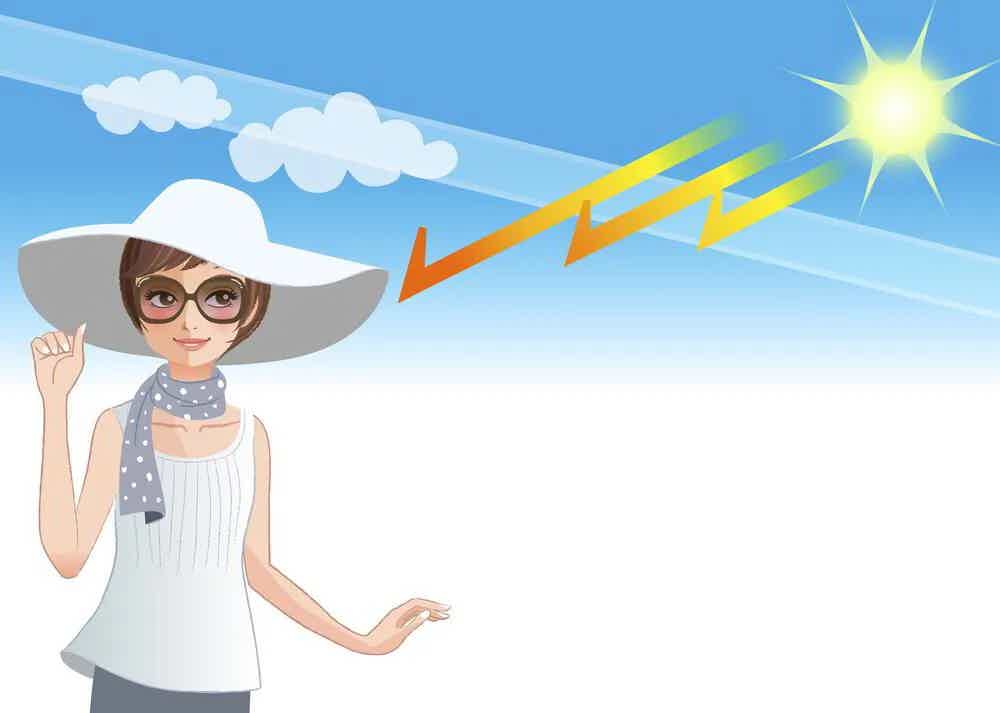
It’s officially summer, and that means lots of sun exposure! A popular topic during this time is the use of sunscreen. This article will cover the benefits and risks of sun exposure, and how we can optimize the benefits while reducing our risks by implementing safe sun practices.
Why do we need to worry about sun protection?
Here’s a quick overview on how the sun affects our health.

The sun emits different kinds of electromagnetic radiation, including ultraviolet (UV) radiation (which is where we will focus our article). UV radiation can be classified as UVA, UVB or UVC. UVC radiation is blocked by the Earth’s atmosphere, so only UVA and UVB radiation reaches the planet’s surface (and us). UVB radiation is the type that plays a role in our body’s ability to make vitamin D.
Maintaining healthy levels of vitamin D is important for overall health, including supporting our immune system, maintaining healthy bones, and supporting mood balance. Since the sun is our main source of vitamin D, why do we need to be careful with sun exposure?
UV radiation is the single greatest risk factor in the development of skin cancers, which are some of the most common cancers in Canadians. UV radiation from the sun can damage the skin, resulting in sunburns, as well as skin aging, wrinkling and loss of elasticity. Therefore, balancing sun exposure to optimize benefits while reducing the risks is ideal! Below are ways to implement safe sun practices for adults, babies and children.
What you can do?
Avoiding the sun at peak times
The sun’s rays are the strongest at midday, between 10 AM and 4 PM, which is when the risks are highest. Avoid getting sunburns and suntans, as these are the result of skin damage from the sun. Emphasize activities in the shade rather than in direct sun, or implement the use of shade from trees or umbrellas.
Use sunscreen
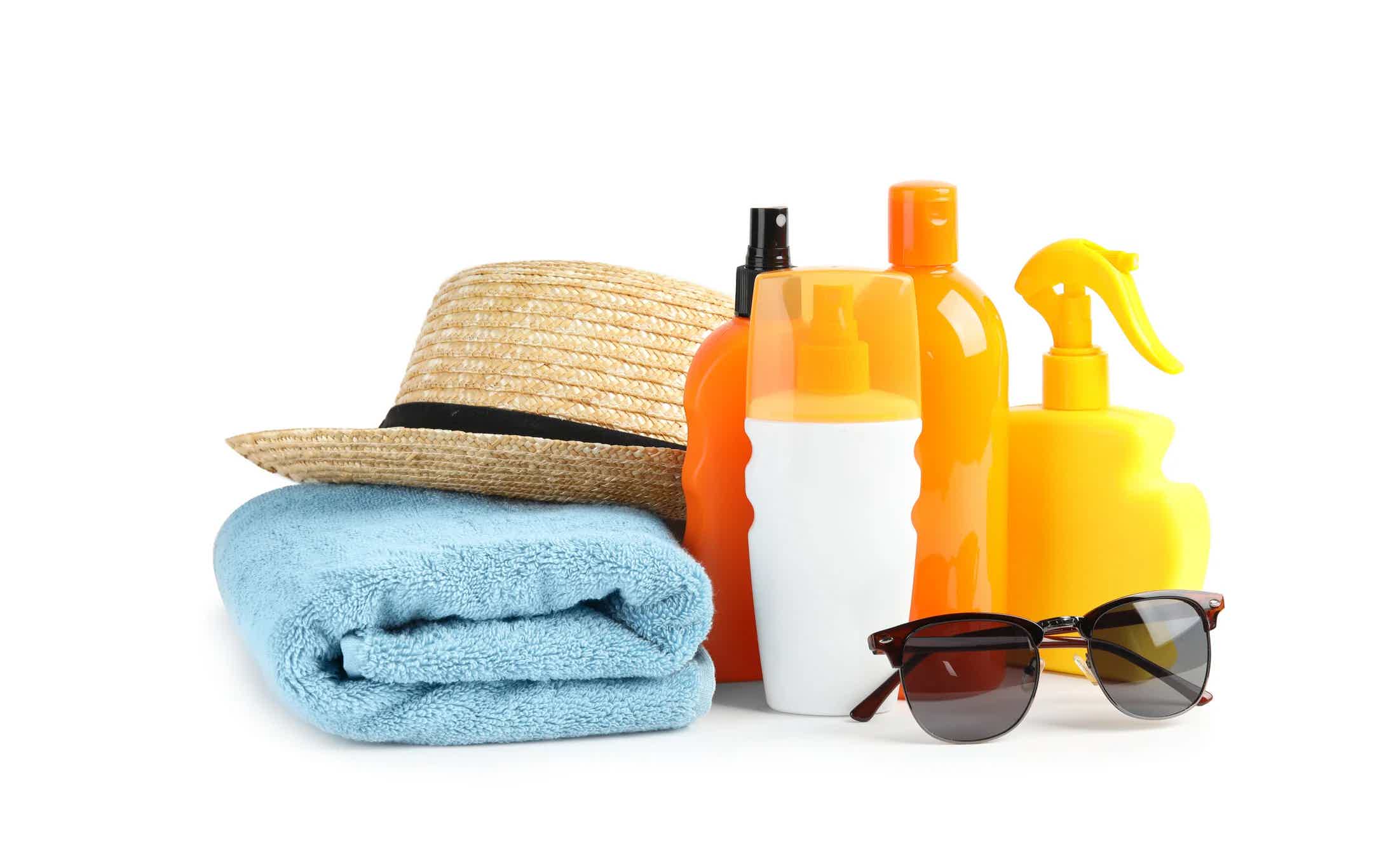
Sunscreen is used to protect the skin from the potential damage of ultraviolet (UV) radiation exposure from the sun. The Canadian Dermatology Association recommends a broad-spectrum (protecting against both UVA and UVB rays) sunscreen with a sun-protection factor (SPF) of 30 or higher. Generally, the higher the SPF, the more effective it is at protecting us from the sun (however, this does not mean that it is foolproof!). Sunscreen should be used on all exposed skin areas and reapplied as per manufacturer's instructions, potentially more often if swimming or sweating. Lip products containing SPF can be used to protect the skin on our lips.
Keep in mind that the skin is one of the body’s largest organs, and may absorb ingredients from the products we use on it. Using the Environmental Working Group’s (EWG’s) Healthy Living app can help you find clean and effective cosmetics and sunscreens. For a more information on “clean” sunscreen options, check out the EWG Sunscreen Guide!
Wear sunglasses and a wide-brimmed hat
Physical barriers to the skin, such as dark clothing, sunglasses and a wide-brimmed hat offer shade options and physical ways to block the sun’s rays. Sunglasses help protect your eyes from potential sun damage, including cataracts. Clothing that has a tight weave, darker in colour, and increased fabric weight and thickness are better clothing options to help protect against the sun’s rays.
Babies need protection too!
Babies’ skin and eyes are particularly sensitive to damage from the sun. Babies should be kept out of direct sun, and should wear hats with a wide brim and be dressed in loose fitting lightweight clothing that covers their arms and legs. These methods are ideal, however you can also use a baby-safe SPF 30 sunscreen. Make sure babies avoid getting tans or sunburns!
Can sunscreen decrease my body’s ability to make vitamin D?
Research suggests that sunscreen, especially when applied correctly and consistently and with a high SPF, can decrease the production of vitamin D, but only by a small amount. This may be because sunscreen does not perfectly block UVB radiation exposure to the skin, and therefore some vitamin D can still be made. If you are worried about not getting enough vitamin D, your naturopathic doctor can test your vitamin D levels and may recommend a vitamin D supplement, which provides a source of vitamin D without the radiation exposure from extended periods of time in the sun.
Written by Dr. Dana Kolenich ND
References:
[1] Queirós, C. S., & Freitas, J. P. (2019). Sun Exposure: Beyond the Risks. Dermatology Practical & Conceptual, 9(4), 249–252. https://doi.org/10.5826/dpc.0904a01
[2] https://dermatology.ca/public-patients/sun-protection/sun-safety-every-day/
[3] Li, H., Colantonio, S., Dawson, A., Lin, X., & Beecker, J. (2019). Sunscreen Application, Safety, and Sun Protection: The Evidence. Journal of Cutaneous Medicine and Surgery, 23(4), 357–369. https://doi.org/10.1177/1203475419856611