
The Hidden Connection Between Blood Sugar and Alzheimer's: Natural Strategies for Prevention
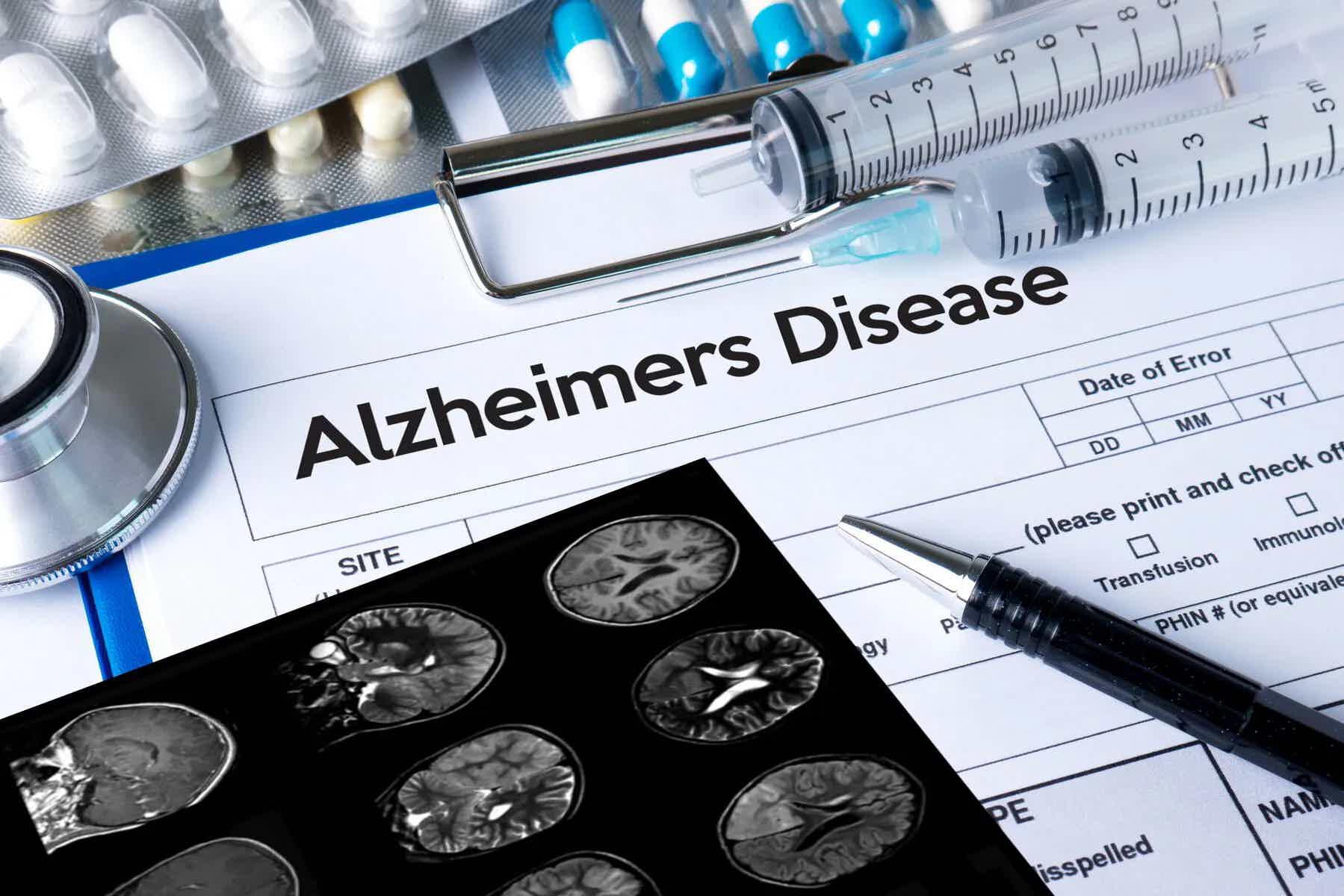
Alzheimer’s Disease is a progressive neurodegenerative disorder that affects millions of people worldwide and is the most common form of dementia (1). However, recent research has revealed a striking metabolic component, often referred to as Type 3 Diabetes (T3D) (2). This term highlights the role of insulin resistance and impaired glucose metabolism in the brain as a key contributor to Alzheimer’s pathology. By understanding the connection between insulin and the brain, this can allow for a proactive approach to brain health.
What Is Insulin Resistance?
Insulin resistance is a condition where the cells in your body become less responsive to the hormone insulin. Insulin is produced by the pancreas and plays a crucial role in regulating blood sugar (also known as blood glucose) levels. When you eat, your blood sugar levels rise, and insulin helps transport this sugar into your cells, where it is used for energy or stored for later use. In insulin resistance, the cells don’t respond well to insulin’s signals. As a result, the pancreas produces more insulin to compensate, which can lead to higher-than-normal insulin levels.
The Insulin-Brain Connection
The brain is highly dependent on glucose for energy and insulin plays a critical role in regulating this energy supply and supporting key processes like memory formation. In Alzheimer’s, there is evidence of insulin resistance in the brain, even in the absence of diabetes. Insulin resistance has been shown to impair glucose metabolism, leading to energy deficits that increase the risk of neurodegeneration.
Naturopathic doctors (NDs) can help address the metabolic aspects of Alzheimer’s through holistic and individualized care via some key approaches:
- Blood Sugar Regulation
- Testing for insulin resistance and pre-diabetes markers through conventional lab tests such as HbA1c, fasting blood glucose, and fasting blood insulin. The latter two tests can be used in a calculation called HOMA-IR, a test which tells you how much insulin your body needs to keep your blood glucose levels in check.
- Assessing for nutrient deficiencies impairing insulin sensitivity through conventional lab tests or functional lab tests such as the Spectracell Micronutrient Test.
- Utilizing diet and lifestyle modifications or various nutraceuticals to help assess and manage conditions like pre-diabetes and metabolic syndrome which are linked to increased Alzheimer’s risk.
- Nutritional Interventions
- Implementing anti-inflammatory diets rich in omega-3 fatty acids which have been shown to have neuroprotective properties and modulate insulin signaling in the brain, as well as antioxidants such as curcumin (a compound found in turmeric) which has been shown to reduce amyloid plaque accumulation and inflammation.
- Lifestyle Modifications
- Exercise improves insulin sensitivity and promotes the release of brain-derived neurotrophic factor (BDNF) which helps neurons grow and reduces inflammation.
- Stress management techniques such as mindfulness and meditation reduce cortisol levels. Elevated cortisol can impair insulin signaling.
- Gut-Brain Axis Support
- Addressing gut dysbiosis by improving diet and removing inflammatory foods has been shown to reduce insulin resistance and neuroinflammation.
- Increasing consumption of prebiotic and probiotic foods have also been shown to improve gut health and support cognitive function.
Viewing Alzheimer’s Disease as Type 3 Diabetes underscores the importance of metabolic health in maintaining cognitive function. By addressing insulin resistance and other metabolic factors, naturopathic medicine offers a promising strategy to prevent and manage Alzheimer’s Disease. Proactive care can help individuals maintain their cognitive vitality and quality of life as they age.
In good health,
Dr. Sami Leung, ND
References:
Michailidis, M., Moraitou, D., Tata, D. A., Kalinderi, K., Papamitsou, T., & Papaliagkas, V. (2022). Alzheimer's Disease as Type 3 Diabetes: Common Pathophysiological Mechanisms between Alzheimer's Disease and Type 2 Diabetes. International journal of molecular sciences, 23(5), 2687. https://doi.org/10.3390/ijms23052687
de la Monte, S. M., & Wands, J. R. (2008). Alzheimer's disease is type 3 diabetes-evidence reviewed. Journal of diabetes science and technology, 2(6), 1101–1113. https://doi.org/10.1177/193229680800200619
Arnold, S., Arvanitakis, Z., Macauley-Rambach, S. et al. Brain insulin resistance in type 2 diabetes and Alzheimer disease: concepts and conundrums. Nat Rev Neurol 14, 168–181 (2018). https://doi.org/10.1038/nrneurol.2017.185
Nguyen, T. T., Ta, Q. T. H., Nguyen, T. K. O., Nguyen, T. T. D., & Giau, V. V. (2020). Type 3 Diabetes and Its Role Implications in Alzheimer's Disease. International journal of molecular sciences, 21(9), 3165. https://doi.org/10.3390/ijms21093165
Patel R, Sina RE, Keyes D. Lifestyle Modification for Diabetes and Heart Disease Prevention. [Updated 2024 Feb 12]. In: StatPearls [Internet]. Treasure Island (FL): StatPearls Publishing; 2024 Jan-. Available from: https://www.ncbi.nlm.nih.gov/books/NBK585052/
Ringman, J. M., Frautschy, S. A., Cole, G. M., Masterman, D. L., & Cummings, J. L. (2005). A potential role of the curry spice curcumin in Alzheimer's disease. Current Alzheimer research, 2(2), 131–136. https://doi.org/10.2174/1567205053585882
Wei, B. Z., Li, L., Dong, C. W., Tan, C. C., Alzheimer’s Disease Neuroimaging Initiative, & Xu, W. (2023). The Relationship of Omega-3 Fatty Acids with Dementia and Cognitive Decline: Evidence from Prospective Cohort Studies of Supplementation, Dietary Intake, and Blood Markers. The American journal of clinical nutrition, 117(6), 1096–1109. https://doi.org/10.1016/j.ajcnut.2023.04.001
Suzuki, W., & Fitzpatrick, B. (2015). Healthy brain, happy life: a personal program to activate your brain and do everything better. Unabridged. [Ashland, Oregon] [New York], Blackstone Audio, Inc.
Disclaimer: The information provided in this blog post is for general informational purposes only and should not be considered as a substitute for professional medical advice, diagnosis, or treatment. Always seek the advice of your physician or other qualified health provider with any questions you may have regarding a medical condition. Never disregard professional medical advice or delay in seeking it because of something you have read on this website.